
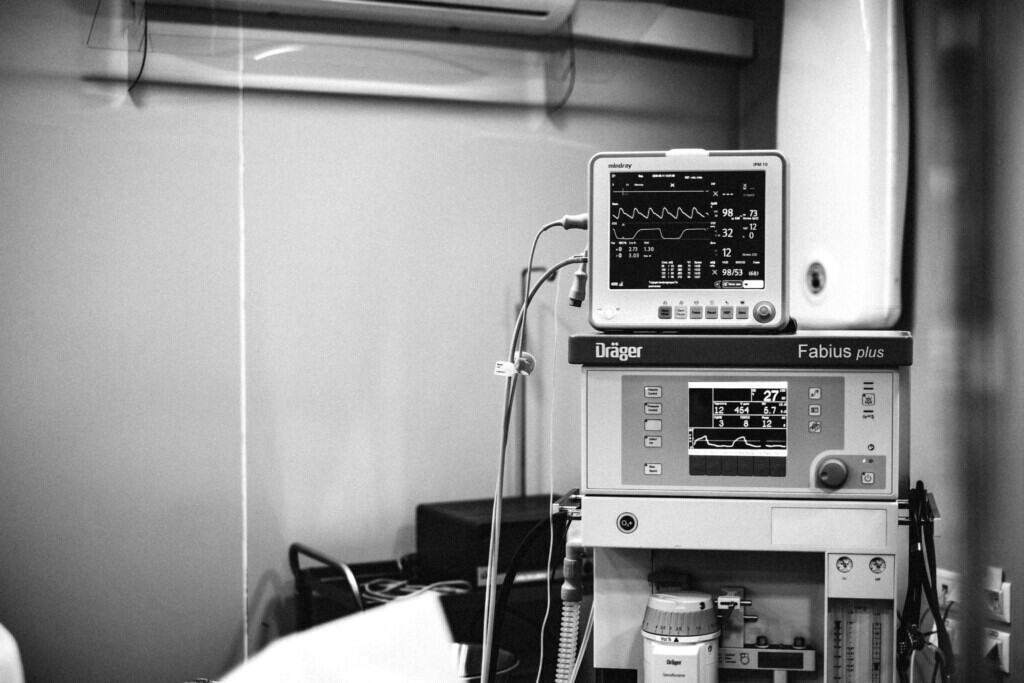
Errors in anesthesia are one of the most neglected (yet critical) problems in contemporary medicine.
They occur more frequently than most people realise and the consequences can be devastating. With a single anesthesia error, a patient can:
- Suffer permanent brain damage
- Wake up during surgery
- Experience long-term disability
- Lose their life entirely
Here is what you need to know…
What you’ll discover:
- The Real Scale Of Anesthesia Errors
- Why Anesthesia Errors Go Underreported
- The Most Common Types Of Anesthesia Mistakes
- What Patients Can Do After An Anesthesia Error
The Real Scale Of Anesthesia Errors
Anesthesia is one of those things that everyone takes for granted is safe. You go under, you wake up, all is well. The data paints a very different picture though.
The truth is that anesthesia errors occur far more frequently than the public realizes. These mistakes range from simple dosage errors to catastrophic events that leave families seeking patient injury compensation through the courts. When something goes wrong in the operating room, the way forward becomes much clearer with the help of an Orange County medical malpractice lawyer who knows how to navigate these cases successfully.
New studies have shown that 1 in 20 perioperative medication administrations has some form of error. That is an astronomical amount when you think of the number of surgeries performed daily in the country.
Pretty alarming, right?
Why Anesthesia Errors Go Underreported
The vast majority of anesthesia errors are not entered in any official record. The system is based almost completely on self-reporting, meaning those who make the error are the ones relied upon to report it.
Think about that for a second.
Here’s the kicker:
Anesthesia providers are unique in that they are often the only clinician in the OR setting with accountability for all medication steps. Other departments have external checks for safety. In anesthesia it can be easy for a mistake to fall through the cracks.
Research indicates that a survey of New Zealand anaesthetists found 12.5% had directly harmed a patient through a medication error at some point. And these are the people who are prepared to admit it.
The reasons errors go unreported include:
- Fear of professional consequences: Doctors are afraid of lawsuits, license problems, and tarnished reputation.
- Fear of malpractice claims: Reporting an error opens the door to legal action.
- Cultural pressure: Historically, medicine has punished error rather than embraced the process of learning from it.
- No standardised reporting: Different hospitals have different rules about what gets logged.
This means that families often do not realize their loved one was the victim of a preventable mistake. They walk away thinking the bad outcome was just a tragic complication.
When in reality, it was something that should never have happened.
The Most Common Types Of Anesthesia Mistakes
Errors in anesthesia are not all created equal. Some are quickly recognized and result in no permanent injury. Others result in permanent injury or death. Learning the categories of errors can help families identify what to look for.
Wrong Dose Errors
Wrong dose is the most frequent error in the operating room. Closed claims data indicate that wrong dose errors represent 31% of all intraoperative medication errors.
This can mean too much… Or too little.
An overdose of anesthesia can cause respiratory failure, cardiac arrest, or brain damage due to a lack of oxygen. An underdose can cause anesthesia awareness, in which the patient is awake during surgery, but unable to move or communicate.
Both outcomes are horrifying.
Drug Substitution
Drug substitution is the complete administration of the wrong medication. This can occur because anesthetic medications are stored in vials and ampoules that look alike. In a fast-paced operating room environment, a person may simply pick up the incorrect vial or ampoule.
Studies show that substitution errors make up 28% of all anesthesia medication mistakes.
Failure To Monitor
Continuous intraoperative monitoring by the anesthesia team is one of the great safeguards of surgery. Heart rate, blood pressure, oxygen saturation, electroencephalogram. Everything.
But sometimes they don’t.
If the monitor fails, failure to detect and intervene early enough turns problems into emergencies. Hypotension that goes unrecognized for too long results in end-organ damage. An airway issue not recognized quickly enough results in brain injury.
Equipment Failure
Anesthesia machines can be complicated devices. Ventilators, monitors, infusion pumps… everything has to work right. When things go wrong, it can be fatal.
The equipment is meant to be checked by the provider before each procedure. This is often rushed or skipped if surgeries are delayed.
What Patients Can Do After An Anesthesia Error
If you or a loved one have suffered harm due to an anesthesia error, you must act fast. Medical records can be lost. Witnesses’ memories fade. Statutes of limitations expire.
Here is what you should do first…
Get Your Medical Records
Request copies of every record from your surgery. This includes:
- Pre-operative assessments
- Anesthesia records and charts
- Surgical notes
- Post-operative reports
You have a legal right to these documents. Hospitals have to provide them.
Document Everything
Describe everything that you can remember about what happened. Tell about how you were feeling before, during (if you remember), and after the procedure.
The more detail, the better.
Get An Independent Medical Opinion
An independent second opinion by a doctor not involved with the initial surgery can help you verify if something went wrong. The independent analysis is usually what uncovers the truth.
Speak To A Legal Professional
Malpractice cases are complex. They involve expert witnesses, medical knowledge, and resources to battle hospital networks.
A qualified attorney can:
- Review your case for free
- Get medical experts to review your records
- Handle all the paperwork and deadlines
- Negotiate with insurance companies
- Take your case to trial if needed
Final Thoughts
Errors in anesthesia are more frequent than many people realize. They result from the high-pressure environment of the operating room, from a lack of external oversight, and from a culture that has traditionally not encouraged the truthful reporting of errors.
To quickly recap:
- Anesthesia errors happen in about 1 in 20 perioperative medication administrations
- Most errors go underreported because of fear and broken systems
- Incorrect dose, drug substitution, monitoring failures, and equipment problems are the most common types
- Families have legal options for patient injury compensation when something goes wrong
- Acting quickly is critical because evidence and deadlines disappear fast
Don’t ignore it. Get the records, get a second opinion, and talk to someone who knows how to hold negligent providers accountable.
The system may be slow to change, but you don’t have to sit and wait.