
Introduction: Beyond General Practice – The Rise of Legal Specialization

Navigating legal challenges can often feel overwhelming. When a complex issue arises, many of us instinctively seek the counsel of a lawyer. But is any legal counsel truly sufficient? Or does the nature of today’s intricate legal landscape demand a more focused approach?
We believe that in many situations, the answer lies in Specialized Legal Services. Gone are the days when a single lawyer could be an expert in every area of law. Our legal system has grown incredibly complex, with specific rules, procedures, and precedents for almost every niche.
This deep specialization allows legal professionals to offer unparalleled expertise in their chosen field. They understand the nuances and potential pitfalls that a general practitioner might miss. This focused knowledge can be the key to achieving the most favorable outcomes.
Throughout this article, we will explore what truly defines a specialty legal service. We will discuss the significant benefits of engaging specialized counsel and how these services differ from general legal offerings. Finally, we will guide you on how to effectively identify and find the right specialized legal provider for your unique needs. We aim to empower you to make informed decisions when your future is at stake.
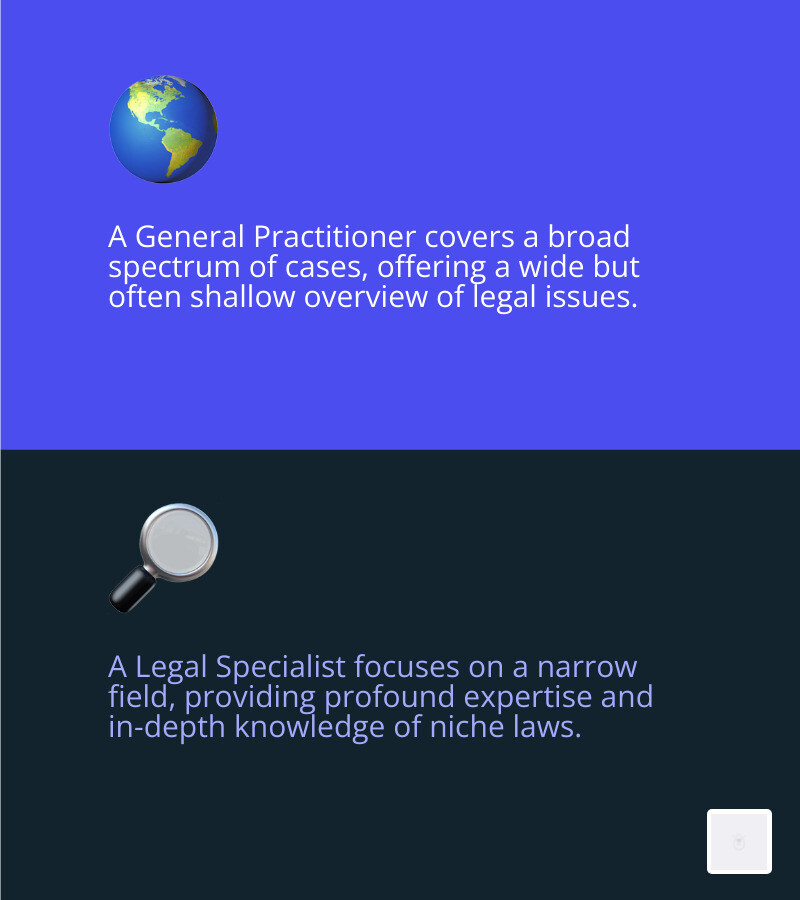
What exactly defines a “specialty legal service”? At its core, it refers to legal practices that concentrate on a particular area of law, developing profound expertise and experience within that niche. Unlike general practitioners who handle a broad spectrum of cases, specialists focus on a narrow field, becoming intimately familiar with its unique laws, regulations, and procedural intricacies.
Think of it this way: a general practitioner is like a family doctor who can diagnose and treat common ailments, while a specialist is a surgeon who performs complex, particular operations. Both are essential, but for a critical and intricate procedure, you’d undoubtedly choose the surgeon.
The modern legal landscape is characterized by its increasing complexity and the rapid evolution of laws. New technologies, global interconnectedness, and societal changes constantly introduce novel legal challenges. This environment makes deep, focused knowledge not just beneficial, but often crucial. Where a generalist might offer a broad overview, a specialist provides an in-depth understanding, anticipating issues and crafting strategies that a less focused attorney might overlook. This distinction is vital, as it can significantly impact the efficiency, cost, and ultimate success of a legal matter.
The Core Advantages of Seeking Specialized Legal Counsel
Engaging a legal professional who specializes in a particular area brings numerous benefits, often leading to more favorable and efficient outcomes. When we consider the stakes involved in legal matters, these advantages become clear.

1. Improved Expertise and In-Depth Knowledge: This is perhaps the most significant advantage. A specialist dedicates their practice to a specific field, allowing them to accumulate a vast amount of knowledge and experience. They are not just familiar with the general principles of law but possess an intimate understanding of niche laws, regulations, and precedents relevant to their area. This includes staying current with the latest legislative changes, court rulings, and industry-specific developments. For example, a lawyer specializing in environmental law would understand the intricate federal and provincial regulations governing pollution, land use, and conservation in a way a general corporate lawyer might not.
2. Understanding of Specific Court Procedures and Forums: Many specialized legal areas have their own unique procedural rules and preferred forums. Whether it’s navigating the specific protocols of immigration courts, the intricacies of a tax tribunal, or the detailed discovery processes in complex commercial litigation, a specialist is well-versed in these nuances. This familiarity can prevent costly procedural errors and expedite the legal process.
3. Familiarity with Industry Regulations and Practices: Beyond statutory law, many legal issues are deeply intertwined with industry-specific regulations, customs, and best practices. A specialist in, say, healthcare law would understand the regulatory bodies, compliance requirements, and ethical considerations unique to the medical field. This holistic understanding allows them to provide advice that is not only legally sound but also practically applicable within the client’s operational context.
4. Increased Efficiency and Faster Case Resolution: Due to their specialized knowledge and experience, these legal professionals often work more efficiently. They don’t need to spend as much time researching fundamental concepts or learning the ropes of a new legal area. This efficiency translates into quicker strategizing, more focused legal work, and often, faster resolution of cases. Their ability to anticipate challenges and streamline processes can save clients significant time and stress.
5. Cost-Effectiveness in the Long Run: While specialized legal services might sometimes appear to have higher hourly rates, their efficiency often leads to lower overall costs. A specialist can resolve issues more quickly and effectively, avoiding prolonged litigation or repeated attempts to address a problem. Their deep understanding can also lead to more precise advice, preventing future legal complications that could be far more expensive to rectify.
6. Better Outcomes and Strategic Advantage: The goal of legal counsel is to achieve the best possible outcome for the client. A specialist’s deep knowledge and experience provide a strategic advantage. They can identify subtle arguments, leverage specific precedents, and craft innovative solutions that a generalist might miss. This targeted expertise can be particularly crucial in high-stakes cases where every detail matters. For instance, firms offering North Florida specialized legal services often provide this focused approach for complex litigation, where their in-depth knowledge can be a deciding factor.
By choosing specialized legal counsel, individuals and businesses are not just hiring a lawyer; they are investing in targeted expertise that can steer the most complex legal terrains with precision and confidence.
Navigating the World of Specialized Legal Services
The landscape of specialized legal services is vast and varied, encompassing a wide array of practice areas designed to address specific needs. Understanding where and how these services are offered, and how to access them, is key to making an informed choice.

Common Fields Requiring a Specialist
While nearly every area of law can benefit from specialization, some fields are inherently complex and demand focused expertise:
- Immigration Law: This area is constantly evolving, with intricate federal statutes, regulations, and agency policies governing visas, green cards, naturalization, and deportation. The stakes are often incredibly high, directly impacting individuals’ lives and families. Navigating the nuances of agencies like ICE and DHS requires an attorney with up-to-the-minute knowledge and specific experience. For example, understanding the particular requirements for different visa categories, the grounds for inadmissibility, or the various forms of relief from removal demands a dedicated specialist. In such critical situations, having access to Specialized insider legal services can be invaluable, providing clients with expert guidance through complex processes.
- Disability and Elder Law: These fields address the unique legal needs of individuals with disabilities and seniors, encompassing areas such as special needs trusts, guardianship, government benefits (e.g., ODSP, RDSP, CPP Disability), long-term care planning, and disability rights advocacy. Clinics like ARCH Disability Law Centre, primarily funded by Legal Aid Ontario, practice exclusively in disability rights law, offering expertise in this specific area. Similarly, the Advocacy Centre for the Elderly (ACE) provides direct legal services to low-income seniors, highlighting the crucial role of specialists in these vulnerable communities.
- Corporate and Non-Profit Law: Businesses, from startups to large corporations, and non-profit organizations face a labyrinth of regulations concerning formation, governance, compliance, contracts, intellectual property, and employment. Specialists in these areas ensure compliance, mitigate risks, and facilitate strategic growth. PooranLaw, for instance, specializes in guidance for non-profits, charities, and social purpose organizations, and has produced extensive resources on topics like the Ontario Not-for-Profit Corporations Act.
- Environmental Law: This complex field deals with laws and regulations related to environmental protection, natural resources, and pollution control. It often requires an intricate understanding of both scientific and technical aspects, alongside legal expertise. The Canadian Environmental Law Association (CELA) offers legal services to individuals and groups facing environmental legal issues, underscoring the need for dedicated ecological specialists.
- Family Law: While some aspects of family law might be handled by general practitioners, highly contentious divorces, international child abduction cases, or complex property division often necessitate a specialist. These cases are not only legally intricate but also emotionally charged, requiring a lawyer with specific experience in these delicate matters.
- Employment Law: This field covers the rights and obligations of employers and employees, including wrongful dismissal, discrimination, workplace harassment, and labor relations. Specialists are crucial for navigating the ever-changing landscape of employment standards and human rights legislation.
How to Find the Right Provider for Specialized Legal Services
Identifying the right specialist requires diligence and a clear understanding of your needs.
- State Bar Associations and Regulatory Bodies: Most jurisdictions have bar associations (like the Law Society of Ontario) that regulate legal professionals. These bodies often maintain directories or referral services that can help you find licensed lawyers and paralegals specializing in particular areas. They can also provide information on a professional’s standing.
- Lawyer Referral Services: Many communities and legal aid organizations offer referral services that connect individuals with attorneys based on their specific legal needs—these services often pre-screen lawyers for experience in particular fields.
- Online Legal Directories: Websites like Avvo, FindLaw, or local legal directories allow you to search for lawyers by practice area, location, and even client reviews. While useful for initial research, always cross-reference information with official sources to ensure accuracy.
- Vetting Credentials and Experience: Once you have a few candidates, thoroughly investigate their credentials. Look for specific certifications, years of experience in your particular issue, and any publications or presentations they’ve made in their specialty. Don’t hesitate to ask about their track record with cases similar to yours.
- Asking Targeted Questions: During initial consultations, ask specific questions about their experience, approach, and understanding of your unique situation. Inquire about their typical caseload in that specialty, their success rates, and how they stay current with developments in their field. This helps gauge their depth of knowledge.
Understanding the Costs of Specialized Legal Services
The cost structure for specialized legal services can vary significantly. It’s essential to have a clear understanding of fees upfront.
- Hourly Rates vs. Flat Fees: Many specialists charge hourly rates, which can be higher than those of general practitioners due to their advanced expertise. However, for certain predictable services (e.g., drafting a will, simple immigration applications, trademark registration), a flat fee might be offered. Recht 24/7, for instance, emphasizes fair prices with complete transparency in costs, and the Law Office of Ayala & Acosta offers flexible payment plans and affordable pricing with flat-fee billing.
- Retainer Agreements: For ongoing or complex matters, a retainer agreement is standard, where an upfront payment is made, and fees are drawn against it.
- Concierge Models: A newer model, particularly for high-net-worth individuals and businesses with recurring legal needs, is the “concierge legal service.” Traverse Concierge, for example, trailblazes this model by offering comprehensive legal advisory services for a fixed monthly price, acting as a personal legal advisor. This can provide predictability and ongoing access to expertise.
- Pro Bono and Low-Cost Options Through Clinics: For individuals and communities with limited financial resources, specialty legal clinics play a vital role. Organizations such as ARCH Disability Law Centre, the Black Legal Action Centre (BLAC), and HALCO (HIV & AIDS Legal Clinic Ontario) offer free legal services to specific low-income populations or those facing particular challenges. These clinics are often funded by Legal Aid Ontario (LAO) and operate independently, offering a range of services from summary advice to full representation based on eligibility criteria.
Understanding these different avenues for finding and funding specialized legal counsel empowers you to seek the precise expertise you need, custom to your circumstances and financial capacity.
Law Firms vs. Legal Clinics: Which Is Right for You?
When seeking specialized legal assistance, you’ll primarily encounter two types of providers: specialty law firms and specialty legal clinics. While both offer focused expertise, their operational models, client bases, and objectives often differ significantly.

Feature Specialty Law Firms Specialty Legal Clinics Operational Model Private practice, for-profit Non-profit, community-based Funding Client fees, hourly rates, retainers Government grants (e.g., Legal Aid Ontario), donations, fundraising Client Base Broad, individuals, businesses, corporations Specific communities (e.g., low-income, elderly, disabled, racialized groups) Primary Focus Individual client representation, advocacy Access to justice, public legal education, law reform, systemic advocacy Services Offered Full range of legal services within their niche Summary advice, representation, public education, law reform Cost to Client Fee-for-service, typically higher costs Often free or low-cost for eligible clients Specialty Law Firms.
These are private practices that focus exclusively on one or a few niche areas of law. They typically operate on a fee-for-service model, charging clients hourly rates or sometimes flat fees for specific services.
- Private Practice: Specialty law firms are businesses that generate revenue through the provision of legal services. This allows them to invest in top talent, advanced technology, and extensive resources to serve their clients.
- Broad Client Base: Although specialized, their clientele remains diverse, encompassing individuals, small businesses, large corporations, and organizations that require their specific expertise.
- Fee-for-Service Models: Clients directly pay for the legal services rendered. This model enables firms to provide comprehensive representation and dedicate significant resources to complex cases, often without the strict eligibility requirements that clinics impose.
- Focus on Individual Client Representation: The primary goal of a specialty law firm is to represent the best interests of its paying clients, providing custom advice and vigorous advocacy in court or during negotiations.
Specialty Legal Clinics
Specialty legal clinics are typically non-profit organizations dedicated to providing legal services to specific communities or addressing particular legal issues, often with a focus on access to justice.
- Often Non-Profit: These clinics are usually structured as non-profit entities, meaning their primary mission is community service rather than profit generation.
- Serve Specific Communities: They are designed to assist populations that might otherwise struggle to access legal help. This includes low-income individuals, seniors, people with disabilities, children and youth, injured workers, and ethnolinguistic communities. For example, the Black Legal Action Centre (BLAC) delivers legal aid to low or no-income Black Ontarians, working to combat individual and systemic anti-Black racism. HALCO – HIV & AIDS Legal Clinic (Ontario) provides free legal services to people living with HIV/AIDS. Justice for Children and Youth (JFCY) offers representation to children and young people under 18, as well as homeless youth under 25.
- Funded by Grants or Legal Aid: Many specialty and ethnolinguistic legal clinics are funded by Legal Aid Ontario (LAO) and operate independently, providing a range of services from summary advice to full representation. This funding model allows them to offer services at no or low cost to eligible clients.
- Focus on Access to Justice and Law Reform: Beyond individual representation, many clinics are deeply involved in public legal education and law reform. They use their expertise to advocate for systemic changes that benefit their client communities. The Advocacy Centre for the Elderly (ACE), for instance, provides direct legal services but also engages in public legal education and law reform efforts. Similarly, the Canadian Environmental Law Association (CELA) seeks to improve environmental protection through legal action and law reform.
Choosing between a specialty law firm and a legal clinic depends heavily on your specific legal issue, your financial situation, and the type of support you require. Both play crucial, distinct roles in ensuring that specialized legal expertise is available across society.
The Future of Legal Specialization
The legal profession, like many others, is constantly evolving. Two major forces are shaping the future of specialized legal services: technology and the ongoing role of advocacy.

The Impact of Technology
Technology is revolutionizing the delivery of specialized legal services, making them more efficient, accessible, and often more affordable.
- AI-Powered Research Tools: Advanced platforms, such as LexisNexis, are revolutionizing legal research. They offer AI-powered tools such as Lexis Answers, which anticipates research paths and curates pertinent results, and Ravel View, which visualizes how cases cite each other. These tools enable specialized lawyers to digest vast amounts of information and build stronger arguments quickly. LexisNexis, for example, offers access to more than 60,000 legal, news, business, and public records sources, making comprehensive research feasible even for specialized firms with limited resources. This helps specialists stay at the forefront of their niche without being overwhelmed by the sheer volume of information.
- Online Legal Service Platforms: The rise of online platforms has made legal services more accessible to a broader audience. Firms like Recht 24/7 in Germany have served over 20,000 clients since 2003 by offering online legal consultations, contract reviews, and trademark registrations, emphasizing speed and fair pricing. This model allows clients to access specialized advice remotely, overcoming geographical barriers.
- Virtual Consultations: The widespread adoption of video conferencing has made virtual consultations the norm. This is particularly beneficial for specialized services, as clients can connect with experts regardless of their physical location, expanding the reach of niche legal professionals.
- Increased Accessibility and Efficiency: Technology streamlines administrative tasks, document management, and communication, freeing up specialists to focus on complex legal analysis. This increased efficiency can lead to faster case resolution and potentially more cost-effective services for clients.
The Role in Advocacy and Law Reform
Specialized legal services are not just about individual case representation; they also play a critical role in shaping the law itself through advocacy and law reform.
- Systemic Change: Many specialty legal clinics and advocacy groups focus on identifying patterns of injustice and working towards systemic change. By taking on “test cases” or engaging in strategic litigation, they aim to set precedents that benefit entire communities or groups. For instance, ARCH Disability Law Centre engages in test case litigation to advance the equality rights of persons with disabilities.
- Public Legal Education: Specialists often contribute to public legal education, explaining complex areas of law for the general public. Organizations like CLEO (Community Legal Education Ontario) produce free legal information in many formats and languages, empowering individuals to understand their rights and steer the legal system. PooranLaw, in partnership with Community Living Ontario, has produced free e-books on future planning for people with disabilities, acting as a pre-eminent guide in this specialized area.
- Influencing Policy: Through their direct experience with specific legal challenges, specialists are uniquely positioned to identify shortcomings in existing laws and advocate for legislative reform. They provide expert testimony, submit policy recommendations, and engage with lawmakers to influence the development of more equitable and effective legal frameworks. The Advocacy Centre for the Elderly (ACE) and the Income Security Advocacy Centre (ISAC) both engage in law reform to improve the lives of their respective communities.
The synergy between technological advancements and the ongoing commitment to advocacy ensures that specialized legal services will continue to evolve, becoming more precise, accessible, and influential in shaping a just legal system.
Frequently Asked Questions about Legal Specialists
Navigating the decision to hire a specialized legal professional often comes with questions. Here, we address some of the most frequently asked questions.
How do I know if I need a specialist or a general practice lawyer?
The decision largely hinges on the nature and complexity of your legal issue:
- Case Complexity: If your case involves intricate legal statutes, novel legal questions, or requires a deep understanding of a specific regulatory environment, a specialist is usually the better choice. General practitioners are well-suited for straightforward matters, but complex issues often require focused expertise.
- Niche Area of Law: If your problem falls into a particular category, such as intellectual property, environmental compliance, or complex immigration matters, a specialist will have the granular knowledge required.
- High Stakes: When the outcome of your legal matter has significant financial, personal, or business implications, the investment in a specialist’s targeted expertise can be crucial for mitigating risks and achieving a favorable result.
- Involvement of Specific Government Agencies or Regulatory Bodies: If your case involves interacting with specialized government bodies (e.g., immigration agencies, tax tribunals, disability support programs), a lawyer with direct experience navigating those specific bureaucracies will be invaluable.
Are specialized lawyers more expensive?
This is a common misconception. While a specialized lawyer’s hourly rate might indeed be higher than a general practitioner’s, the overall cost of resolving your legal issue can often be lower due to their efficiency.
- Higher Hourly Rates are Possible: Specialists command higher rates because of their extensive training, deep knowledge, and proven track record in a niche area. You are paying for unparalleled expertise.
- Overall Cost May Be Lower Due to Efficiency: A specialist can often resolve complex issues more quickly and effectively than a generalist who might spend more time researching and learning the specific area. Their efficiency can lead to fewer billable hours in the long run and a more favorable outcome, preventing costly mistakes or prolonged litigation.
- Flat-Fee Structures Offer Predictability: For certain types of specialized services, particularly those with predictable scopes (like some immigration applications, trademark filings, or estate planning), specialists may offer flat fees. This provides cost predictability, allowing you to budget effectively without worrying about escalating hourly charges. As noted earlier, firms like Recht 24/7 and the Law Office of Ayala & Acosta offer transparent pricing and flexible payment options, including flat fees.
What is the difference between a lawyer and a paralegal?
In many jurisdictions, including Ontario, Canada, there’s a clear distinction between these two legal professionals, who are regulated by bodies such as the Law Society.
- Lawyers are licensed to provide a full range of legal services. This includes complex matters such as family law, criminal issues (in all levels of court), civil litigation, wills, powers of attorney, estate matters, real estate transactions, and administrative law matters. They typically hold a university law degree (LL.B. or J.D.) and have completed a rigorous licensing process.
- Paralegals: Are licensed to provide certain specified legal services. Their scope of practice is generally more limited. They can represent clients in areas such as small claims court, the prosecution of provincial offenses (e.g., traffic tickets), certain tribunals (e.g., the Landlord and Tenant Board, the Workplace Safety and Insurance Board), and some summary conviction criminal charges. Paralegals complete an accredited legal services program and their own licensing process, focusing on their specific areas of practice.
Understanding this distinction is crucial for choosing the appropriate legal professional for your needs. For complex or high-stakes specialized legal issues, a licensed lawyer is typically required due to their broader scope of practice and deeper legal education.
Conclusion: Making an Informed Choice for Your Legal Needs
In an increasingly complex legal world, the value of specialized legal services cannot be overstated. We’ve explored what defines these services, highlighting their profound expertise, efficiency, and the strategic advantages they offer. From navigating intricate immigration laws and advocating for disability rights to ensuring corporate compliance and influencing policy reform, specialists provide a depth of knowledge that general practitioners cannot match.
We’ve also seen how these services are delivered, whether through private specialty law firms offering comprehensive, fee-for-service representation, or through vital legal clinics providing essential, often free, assistance to vulnerable communities. The impact of technology, from AI-powered research to online platforms, continues to improve the accessibility and effectiveness of specialized legal support.
Making an informed choice about your legal needs means recognizing when a generalist’s broad overview is sufficient and when a specialist’s targeted expertise is indispensable. For critical, complex, or high-stakes matters, the benefits of engaging a legal professional who lives and breathes your specific area of concern far outweigh the perceived advantages of a generalist.
We encourage you to research thoroughly, vet credentials diligently, and ask targeted questions. Your future, your business, and your rights deserve the most precise and knowledgeable legal advocacy available. Don’t hesitate to seek out the expert who can genuinely make a difference in your legal journey.