
Key Takeaways
- Consistently practicing safe driving significantly reduces accident risks and ensures a safer commute for all.
- Defensive driving and staying updated on safety features are crucial for anticipating hazards.
- Awareness of vehicle technology and traffic rules is essential in today’s changing road landscape.
When it comes to road safety, adopting conscious and attentive driving behaviors is paramount. Each year, thousands of car crashes can be attributed to avoidable driver mistakes and risky habits. By cultivating safe driving routines, motorists not only protect themselves and their passengers but also contribute to safer communities for everyone. Consulting with an Indianapolis car accident lawyer can provide valuable guidance for individuals who wish to understand their legal options after an accident or seek advice on accident prevention strategies.
Safe driving habits encompass a range of behaviors, from adhering to traffic regulations to anticipating the actions of others on the road. When more drivers are committed to safety, the likelihood and severity of accidents decrease, making it possible to reduce injuries, fatalities, and financial losses associated with car collisions. Proactive measures, such as defensive driving techniques and responsible road sharing, are integral to achieving this goal.
Fatal crashes often occur when drivers are distracted, fatigued, or unprepared to react to sudden events. Enhancing driving knowledge and being mindful of evolving road conditions can create a much safer environment for all road users. Particularly during rush hours and late-night periods, heightened awareness and adherence to best practices are crucial to preventing collisions.
Legal and safety resources are available for those seeking additional support after an auto accident or looking to bolster their understanding of traffic laws. In complex situations or following an injury, working with an Indianapolis personal injury lawyer ensures access to professional help and legal recourse.
Understanding the Impact of Safe Driving
Safe driving encompasses a wide set of actions aimed at minimizing accident risks—such as strict adherence to speed limits, regular mirror checks, and readiness to yield as necessary. According to the National Highway Traffic Safety Administration (NHTSA), a significant number of crashes occur during weekday evening rush hours, when traffic density is highest. Drivers should exercise extra caution during these periods and avoid distractions that can lead to rear-end or intersection collisions, particularly.
Late-night driving introduces additional hazards, with fatigue and impaired driving playing significant roles in after-dark accidents. Staying vigilant, planning routes, and limiting time on the road during high-risk hours can enhance both personal and public safety.
Defensive Driving Techniques
Practicing defensive driving involves preparing for unexpected actions by other motorists, changes in weather conditions, and road obstacles. Three foundational techniques include:
- Maintaining a Safe Following Distance: The “three-second rule” provides space to respond to sudden braking or hazards ahead, minimizing the potential for rear-end crashes.
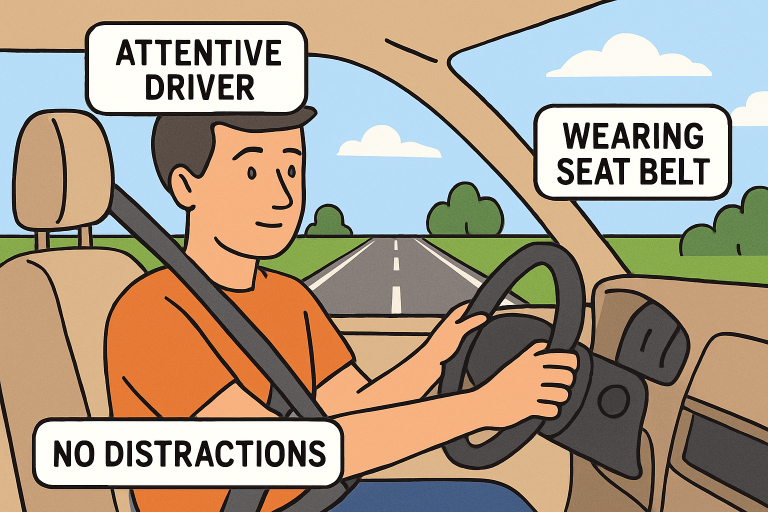
- Staying Alert and Avoiding Distractions: Maintaining persistent attention on the road and operating hands-free are essential. Distracted driving remains one of the primary causes of collisions.
- Adhering to Speed Limits: Speeding reduces reaction time and increases the severity of impact in a crash. Respecting posted speed limits and adjusting for weather or traffic flow are crucial defensive driving methods.
The Role of Seat Belts and Vehicle Safety Features
Wearing a seat belt remains one of the single most effective ways to protect against serious injuries or death in a crash. Research from the Centers for Disease Control and Prevention (CDC) shows a significant reduction in fatalities when occupants wear their seatbelts. In addition to seat belts, many modern vehicles now feature advanced safety systems, such as automatic emergency braking (AEB) and blind-spot monitoring, which actively help reduce accident risks.
Combating Distracted Driving
To counteract the dangers of distracted driving, simple proactive steps include placing phones out of sight, programming navigational systems before departure, and limiting discussions that may take attention off the road. Each minimized distraction translates to an increased focus—potentially making the difference between a safe drive and an accident.
Addressing Drowsy Driving
Operating a vehicle while fatigued severely impacts reaction times and concentration. Planning for adequate sleep before trips, taking breaks every few hours, and stopping to rest if drowsiness sets in are all vital. Recognizing the early symptoms of fatigue can prevent potentially devastating incidents on the road.
Sharing the Road Responsibly
Every safe driver is considerate of the variety of others using the roadways, including pedestrians, cyclists, and motorcyclists. Checking blind spots, using turn signals, and yielding the right of way when appropriate help reduce conflict and increase harmony between all road participants. Learning more about the vulnerabilities of these groups leads to more empathetic and safer driving conduct.
Conclusion
Forging a culture of safe driving habits safeguards not only individual drivers but also the broader community. Preventing car accidents requires an ongoing commitment to awareness, adhering to road laws, and utilizing advancements in automotive safety technology. Through everyday actions and informed choices, drivers dramatically lower accident rates and foster a safer travel environment for all.