
Key Takeaways
- Seek immediate medical attention and detail every injury with professional documentation.
- Collect and preserve all types of evidence related to the incident.
- Keep a comprehensive record of recovery, treatments, and resulting expenses.
- Consult a seasoned personal injury attorney early in the process.
- Take note of the statute of limitations to protect your ability to file a claim.
Facing a personal injury case requires careful planning, documentation, and an understanding of the legal process. Whether you have suffered harm in a car accident, slip and fall, or workplace injury, being well-prepared can help you secure fair compensation for your losses. Working with experienced professionals such as the Burnett & Williams Chesterfield injury lawyers ensures you are guided through every step, and your rights are protected.
Thorough preparation is key to building a strong personal injury case. By methodically following the recommended steps, you can not only support your claims more convincingly but also reduce the stress that often comes with legal proceedings. These actions include seeking medical care, preserving evidence, understanding your legal rights, and working closely with knowledgeable attorneys who have your best interests in mind.
If you are researching ways to prepare for a case or seeking a client-focused personal injury law practice that prioritizes your needs, it is important to vet attorneys who provide personalized attention and support throughout the claims process.
Seek Immediate Medical Attention
Your health is paramount after any accident or injury. Even if your injuries are not immediately apparent, prompt evaluation by a medical professional documents the harm you have suffered, which is essential for your claim. Insurance companies and courts rely heavily on medical records to verify injury claims, and any delay may reduce your credibility. It is important to attend all follow-up appointments, adhere strictly to your doctor’s recommendations, and retain copies of all reports, prescriptions, and receipts.
Gather and Preserve Evidence
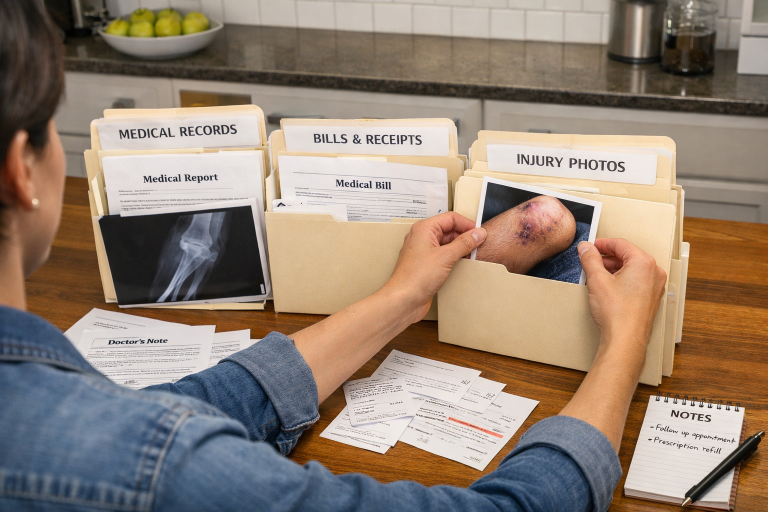
Building a personal injury case hinges on the quality and quantity of evidence provided. Immediately after an incident, take clear photos of injuries, vehicle or property damage, the accident scene, and any visible hazards. Gather contact information from all witnesses and, if possible, request written statements. Secure any physical items connected to the case, such as clothing or equipment, so nothing is lost or altered. Detailed records serve as proof in reconstructing how the event unfolded and in substantiating your claims before insurance adjusters or a jury.
Additionally, it can be helpful to return to the accident scene later to look for evidence you may have missed. Sometimes, new environmental details, such as repaired hazards or changes made after your accident, can demonstrate that the scene was dangerous in the first place. Furthermore, consider asking nearby businesses if they have surveillance footage that captured the incident. Evidence from a third-party source is typically very persuasive when making your case to both insurers and a jury.
Maintain Detailed Records of Your Recovery
Demonstrating the full impact of an injury requires ongoing documentation. Keep a journal tracking your pain levels, daily limitations, effects on work, emotional well-being, and all medical interventions. Store all documents related to your injury, such as test results and therapy receipts. If necessary, obtain professional assessments regarding psychological effects, like anxiety or post-traumatic stress disorder. These records help calculate both tangible (medical expenses) and intangible (pain and suffering) damages.
You should also keep track of communications with your employer regarding missed work or modified duties, as well as any correspondence with insurance companies. Whenever you communicate about your case, note the date, the person you spoke with, and the outcome of the conversation. These ongoing records show how the injury has truly affected your daily life and may provide important evidence for establishing damages.
Consult with a Qualified Personal Injury Attorney
Partnering with a trusted personal injury attorney is among the most important steps you can take. A knowledgeable attorney will review your evidence, determine whether you have a valid claim, and outline your legal options. They will handle negotiations with insurance providers and opposing counsel, freeing you to focus on recovery. Selecting an attorney with a strong record in similar cases increases your chance for a fair settlement or successful trial result. For more on how to choose the right lawyer, find comprehensive guides at Nolo.
Having legal support early in your case not only ensures that you avoid common mistakes but also helps you understand what compensation you may be entitled to claim. Attorneys are often able to spot damages that clients overlook, such as the value of future treatments or the long-term impact of lost earning potential.
Be Mindful of the Statute of Limitations
Every state imposes a deadline, known as the statute of limitations, for filing personal injury claims. Failing to file on time will almost always doom a case, regardless of its merits. Statutes can vary both by location and by the nature of the claim. Consulting an attorney early ensures that time-sensitive evidence is secured and that critical dates are met, safeguarding your chance at recovery. You can learn more about statutes of limitations on reputable legal resources such as FindLaw.
Staying aware of deadlines is especially important if your injury involves government entities or public property, as different notice requirements and much shorter timelines may apply. Failing to comply with these special rules can forfeit your right to make a claim entirely, so get legal advice right away if your injury involves municipal, state, or federal agencies.
Prepare for Potential Depositions
Depositions are an integral part of discovery in most personal injury cases. During a deposition, you are required to provide sworn testimony that will be transcribed for later use. Preparation is essential because anything you say can be used as evidence. Work with your attorney to practice answering common questions, understand what to expect, and remain composed during questioning. Honest, clear, and concise answers are best, as misleading or exaggerated claims can damage your credibility.
It may also be helpful to review prior statements you’ve made, such as those to police, insurance adjusters, or in written complaints, so that you can answer questions consistently. This will help you stay confident and accurate during your deposition and avoid surprises that may weaken your case later.
Limit Social Media Activity
Social media posts can inadvertently harm your personal injury case. Insurance companies frequently monitor claimants’ public profiles, looking for photos, comments, or check-ins that might contradict their injury claims. The safest approach is to avoid posting about your accident, recovery, or legal proceedings entirely. Advise friends and family similarly to prevent misinterpretations or links that could be used against you until your case is resolved.
Even well-meaning posts, such as expressing optimism about your recovery or sharing updates about daily activities, can be misinterpreted or taken out of context by opposing counsel. Take care to review your privacy settings and monitor posts that others tag you in throughout your case.
Understand the Legal Process
The legal process for a personal injury claim involves several steps: filing, investigation, negotiations, possible deposition, and sometimes trial. Familiarity with these phases helps you navigate each stage confidently and anticipate what comes next. Rely on your attorney’s experience to keep you informed, and do not hesitate to ask questions about timelines or requirements.
Your involvement throughout the process can make a significant difference. By remaining organized, proactive, and communicative, you help your legal team assemble the strongest possible claim on your behalf. Your preparedness can also provide valuable peace of mind while you focus on your health and recovery.
Following these guidelines makes you an active participant in your case and strengthens your ability to seek justice and fair compensation for your injuries.
Communicate Effectively with Medical Providers and Insurers
Open and honest communication with your healthcare providers is critical in a personal injury case. Always describe all symptoms, even those that seem minor, as they may relate directly to your injury or indicate future complications. Detailed physician notes provide a robust paper trail for your case. If you need referrals for specialists or additional diagnostic tests, follow through as advised by your medical team to avoid any gaps in your treatment history that insurance companies could question.
When dealing with insurance adjusters, remember that you have no obligation to provide a recorded statement immediately, nor should you sign any documents without your legal counsel’s review. Insurance companies may offer quick settlements that do not reflect the true cost of recovery. Instead, let your attorney handle communications wherever possible and avoid discussing details of your injury, liability, or fault without guidance. This approach ensures your statements are accurate and cannot be misinterpreted or used to undermine your claim.
Understand Possible Outcomes and Settlement Options
While many personal injury cases are resolved through settlements, some may proceed to trial if fair terms cannot be reached. It’s important to understand that settlements offer a quicker resolution but may involve negotiation and potential compromise. Your attorney will explain realistic outcomes based on the specifics of your case, potential jury awards, and the risks associated with going to court. They will also help you weigh offers against your documented costs, both current and anticipated, and intangible damages like pain and suffering, to decide the best path forward.
Never feel pressured into accepting a settlement that does not reflect your full needs and losses. If an insurance company or opposing counsel is urging a speedy resolution, ask your attorney to assess the offer and negotiate for greater compensation if justified by the evidence.
Be Prepared for Disputes and Challenging Evidence
It is not uncommon for opposing parties or insurers to dispute facts such as liability, the extent of your injuries, or the necessity of treatments. They may retain their own experts, scrutinize your social media, or attempt to attribute some blame to you. Remaining calm and relying on your detailed documentation, clear testimony, and expert legal strategy will help you respond effectively to such challenges.
In some situations, mediation or other forms of alternative dispute resolution may be suggested before a full trial. These options often provide a less adversarial, more cost-effective way to reach an agreement without prolonged litigation. Trust your attorney to advise if such alternatives are a reasonable choice, and remember to keep your expectations flexible as your case progresses.