
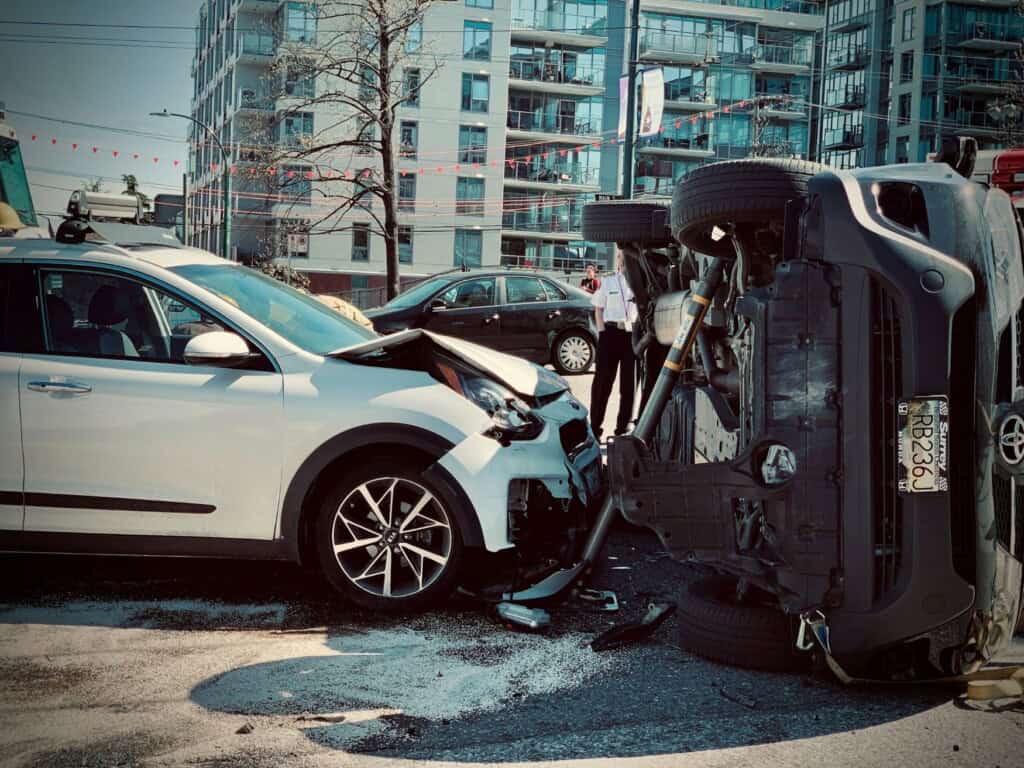
You’re driving down Highway 40 when you suddenly hear the unmistakable crunch of metal. Your heart races as you pull over to check the damage. Even if the impact feels like a minor tap, the forces involved can affect your body and your vehicle in ways you cannot see yet. Deciding your next move quickly is vital for your physical and financial health.
A car accident is a major disruption that can quickly become a heavy burden if not handled correctly. While a dented bumper might seem like a small fix, late-onset injuries can lead to massive costs down the road. This guide will help you decide whether the situation requires a simple insurance report or professional legal help.
Anatomy of a Small Crash
What exactly is a “small” crash? Usually, these involve low speeds and very little physical impact, such as rear-end collisions in a parking lot. If you inspect your car and see only a scratch or a cracked headlight, and both parties feel perfectly fine, you might simply exchange information and go home.
In these specific cases, you can often settle property-only claims directly with the insurance companies involved.
Hidden Dangers of Late-Onset Injuries
Adrenaline is a powerful chemical that floods your body during a crash to help you handle the emergency. It often masks pain, which might lead you to tell the other driver that you’re fine. This is a common trap because your body is frequently in a state of shock. You might not realize you’re hurt until hours or days later.
Many injuries, like whiplash or soft tissue damage, don’t show up on a standard X-ray. You might wake up with intense stiffness 48 hours later or begin experiencing persistent headaches.
Insurance companies often want to close accident claims quickly to manage costs, which means they may push you to settle fast. If you sign a release before getting proper medical attention and knowing your full health needs, you lose the right to seek more compensation later.
When the Insurance Company Plays Hardball
Insurance companies may argue certain treatments aren’t accident-related or undervalue your injuries compared to your doctor’s recommendations. This leaves you struggling while still recovering.
When insurance adjusters delay, dismiss concerns, or refuse to cover necessary care, a vehicle accident lawyer in St. Louis or in your own city can intervene. Attorneys gather the right evidence, manage complex paperwork, handle negotiations, and ensure your claim reflects its true value.
Signs of a Major Claim
Some accidents are clearly serious from the moment of impact. High-speed head-on collisions or side impact collisions often cause catastrophic injuries, such as traumatic brain injury or permanent spinal cord damage. These conditions demand significant compensation to cover ongoing medical care, rehabilitation, and lifestyle adjustments.
Major highways are hotspots for big claims where multiple cars are often involved. In these pileups, legal liability gets messy quickly as different parties attempt to shift the blame. If the car crash was caused by a distracted driver or reckless driving, you have a stronger case for a major claim. A lawyer will work to prove fault and protect you from being unfairly blamed.
Missouri Laws
In Missouri, the statute of limitations gives you five years to file a lawsuit for a personal injury claim, but waiting too long can weaken your case. Surveillance footage disappears, witness memories fade, and physical evidence can be lost within days. Acting quickly helps ensure a strong claim.
Managing this strict deadline is much easier with a local car accident attorney on your side. They also understand how judges evaluate evidence and how juries may perceive certain facts. Their familiarity with area courts and procedures helps strengthen how a claim is prepared and presented.
Benefits of Seeking Legal Help
Many people worry about the cost of hiring a lawyer, but most personal injury lawyers work on a contingency fee basis. This means no hourly fees or upfront payment. Instead, they take a percentage of the final settlement they secure for you.

Lawyers often negotiate higher settlements by accounting for lost wages, diminished earning capacity, emotional distress, and long-term recovery costs. They coordinate with medical and rehabilitation specialists to document your needs, ensuring more of the payout covers actual losses. This increases financial recovery while providing peace of mind during a stressful time.
Immediate Steps to Take
If you were just in a crash, take a deep breath and stay calm. Start by taking photos of vehicle damage, street signs, and road conditions. Don’t apologize to the other driver, as this can be used as an admission of fault. Just stick to the facts and exchange contact and insurance information.
Call the police so there’s a formal record of the event for your insurance company. Even if the damage looks small, an official police report protects you if the other driver changes their story later. If witnesses are present, ask for their names and contact details so they can be reached later for witness statements. Keep all medical records as you receive treatment to support your claim.
Final Analysis
The difference between a simple claim and a strong case lies in how you handle the details during the first few days. While a claim is just a request for money, a case is an evidence-backed demand for fair treatment. Knowing your rights from the beginning prevents future financial strain and legal headaches.
Don’t let a minor collision turn into a heavy burden of mounting medical bills. Whether you experienced a small bump or a high-speed wreck on the highway, staying informed is your best defense. With the right support, even the most stressful claim can reach a just resolution.