
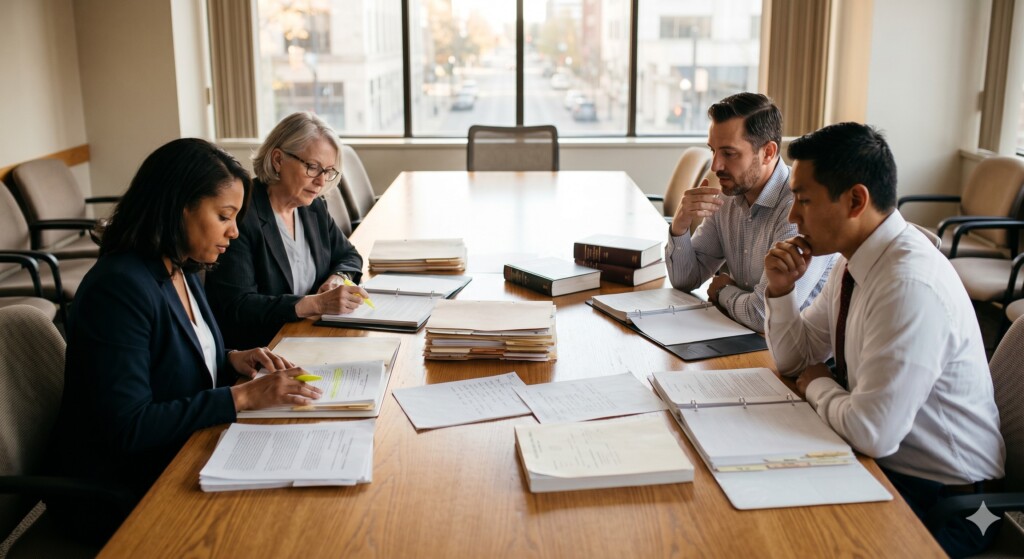
A criminal conviction doesn’t always mean the end of the road. The justice system, for all its structure and procedure, is still run by human beings — and human beings make mistakes. Judges misapply the law. Evidence gets mishandled. Defense attorneys sometimes fall short of the standard their clients deserve. When any of these failures occur, the door to an appeal may be open. Working with an experienced criminal appeal lawyer early in the post-conviction process can be the difference between a sentence served in full and a conviction that gets reconsidered, reduced, or thrown out entirely.
Appeals are not retrials. You’re not presenting new witnesses or re-arguing the facts from scratch. Instead, you’re asking a higher court to review whether something went legally wrong during the investigation, trial, or sentencing. That distinction matters because it shapes everything — what evidence is relevant, what arguments carry weight, and what outcome is actually possible.
Here are five of the most common and legally recognized grounds for overturning a criminal conviction.
1. Ineffective Assistance of Counsel
Under the Sixth Amendment, every defendant has the right to competent legal representation. When a defense attorney’s performance falls below an objective standard of reasonableness — and that failure likely affected the outcome of the case — it can constitute grounds for appeal.
This is one of the most frequently raised grounds in post-conviction proceedings. It can include situations where an attorney failed to investigate key evidence, didn’t call witnesses who could have helped, gave incorrect legal advice about a plea deal, or failed to object to clearly improper conduct during trial.
The legal standard here comes from Strickland v. Washington (1984), which requires showing both that the attorney’s performance was deficient and that the deficiency was prejudicial. Meeting both prongs isn’t easy, but when the failures are documented and clear, this ground has led to overturned convictions across the country.
2. Prosecutorial Misconduct
Prosecutors carry significant power in a criminal case, and that power comes with firm ethical and legal boundaries. When those boundaries are crossed — intentionally or not — it can taint the entire proceeding.
Common examples include withholding exculpatory evidence (known as a Brady violation), making improper statements during closing arguments, presenting testimony the prosecutor knew to be false, or using racial bias in jury selection (a Batson violation).
Brady violations alone have contributed to a substantial number of wrongful convictions. Evidence that could have helped the defense — witness statements, lab results, prior criminal history of a prosecution witness — is legally required to be disclosed. When it isn’t, and that evidence was material to the outcome, courts have reversed convictions.
3. Newly Discovered Evidence
Sometimes, evidence that could have changed the verdict simply wasn’t available at the time of trial. A witness comes forward years later. Advances in DNA testing eliminate the defendant as a match. Security footage surfaces that contradicts the prosecution’s timeline.
Courts approach this ground with some caution — the evidence generally needs to be genuinely new (not something that could have been found with reasonable diligence before trial), and it needs to be material enough that it likely would have changed the outcome. That said, newly discovered evidence has been the driving force behind some of the most high-profile exonerations in recent decades.
This is also an area where consulting a criminal appeal lawyer matters greatly. Not all newly discovered evidence automatically qualifies, and the procedural window for raising it can be tight depending on the jurisdiction and the type of conviction.
4. Improper Jury Instructions or Juror Misconduct
The instructions a judge gives to a jury before deliberations are meant to guide them in applying the law correctly to the facts of the case. When those instructions are legally inaccurate or misleading, and a defendant is convicted as a result, that error can form a valid basis for appeal.
Juror misconduct is a separate but related issue. This includes situations where jurors conducted independent research, discussed the case before deliberations began, were exposed to outside media coverage, or in some cases were influenced by outside parties. These scenarios compromise the integrity of the verdict and, if proven, give appellate courts reason to vacate the conviction.
5. Fourth Amendment Violations — Illegal Search and Seizure
Evidence obtained through an unconstitutional search or seizure is generally inadmissible under the exclusionary rule. If that evidence was central to the conviction, having it suppressed on appeal can collapse the prosecution’s case entirely.
This ground is most relevant when defense counsel failed to challenge the search at trial, or when new case law emerged after the conviction that would render the search illegal under current standards. Either way, an experienced criminal appeal lawyer can assess whether the original search or seizure met constitutional requirements — and whether a challenge to it could change the outcome of the case.
Final Thoughts
Not every conviction is final, and not every trial is fair. If you or someone you know believes that one of these grounds may apply to a criminal case, the time to act is now — appellate deadlines are strict, and missing them can permanently close the door on review. Understanding your legal options starts with knowing what went wrong and finding the right representation to fight for a second look.